

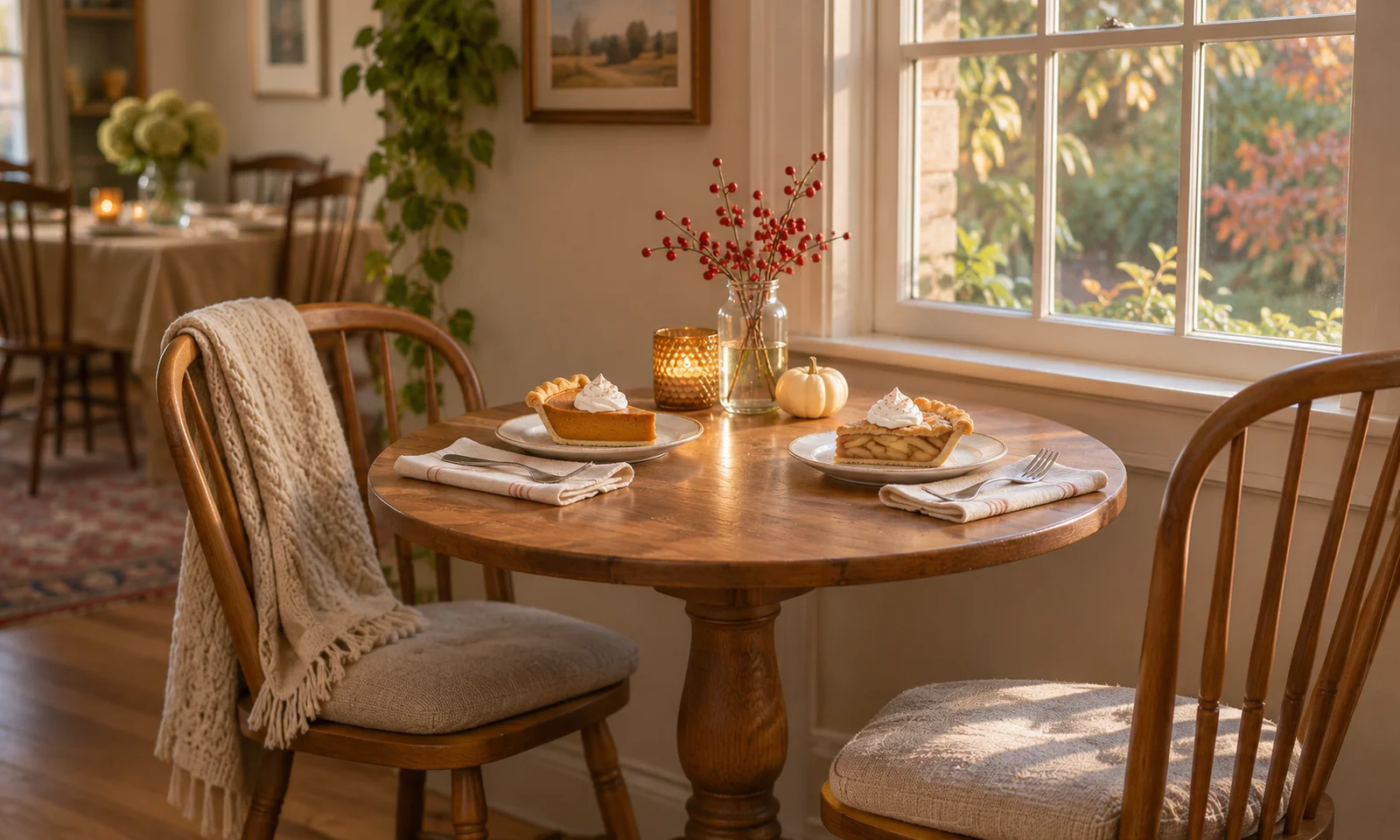
Before accepting a holiday invitation, find out which part of the gathering your autistic child or teen would like to join. Agree with the host on when to arrive, where your child can take a break, who will help, and how you’ll get home. A visit can be as short as dessert. It can also wait for another day.
Decide what’s worth going for
“Would you like to go to Thanksgiving?” can be a hard question to answer. Your child may be picturing an afternoon with a favorite cousin while you’re picturing twelve people around a table. Give them enough detail to weigh the invitation. Who will be there? When is the house likely to be busiest? Which part of the day could you spend together if you went for just an hour?
Use whatever way of talking through choices is familiar to your child. One child might point to a photo of the person they want to see. Another might have a precise request, such as arriving early enough to help a grandparent set the table and leaving before everyone sits down. A teen may want time to think or prefer to answer by text. Leave room for an answer of “none of that sounds good.”
Start with the part your child values and see whether you can build a visit around it. If the cousins want to play together, ask when they’ll actually be free. If your child would enjoy seeing a relative who will spend most of the party cooking, a quieter visit the next morning might give them more time together. There’s no ideal length of stay. For help planning the days around a Thanksgiving visit, see AIA’s fall-break routines guide.
Give the host something specific to work with
A host who says “Come whenever you like” may still hold dinner until you arrive. A caregiver who hears “There’s a quiet room upstairs” may reasonably assume someone has checked that it’s available. A brief exchange before the day gives both of you a chance to catch those misunderstandings. Start with what your family is looking forward to, then ask about the arrangements that will make a difference.
A message might read like this.
We’d love to come for pie and spend some time with Grandma. Please go ahead with dinner. Is the little table by the window available? Sam would like to sit there with her. Could you let everyone know they can say hello from their seats? We’ll head home when Sam is ready, even if people are still eating.
The host’s reply can be equally brief and concrete. Perhaps the little table is now the drinks station, but Grandma would be happy to bring her pie onto the porch if that suits Sam. Settling that detail ahead of time gives Sam a choice while there’s still time to change plans. Ask your child what they’re comfortable having shared. The relatives who need to leave a seat open or give someone time to answer can do that with very little personal information.
Think through the visit from the doorway. Can your child reach their seat, the bathroom and the quieter spot with the support or mobility equipment they use? A chair at the end of the table may look easy to leave until someone unfolds another chair behind it. Ask about the things that matter to your child, whether that’s space beside a familiar adult, light from a bright window or the television playing near the table. Personal space, lighting and noise are among the individual needs identified in NICE guidance on support for autistic children and young people.
A spare bedroom only works for a break if your child wants to use it and people won’t be coming in for their coats. If there’s no separate room, consider a seat away from the busiest conversation or a time before most guests arrive. Let your child see the space when they get there. They can use it, leave it or ask for company, with their usual supervision and safety arrangements in place.
Let your child choose how to join in
At the door, a relative can say “I’m glad you’re here” and make room for your child to come in. That welcome is complete whether your child answers, waves, initiates a hug or walks on to find their seat. The same courtesy applies throughout the visit. Speak directly to your child, give them time to respond, and keep their usual ways of communicating available, including at the table and during breaks.
If your child uses augmentative and alternative communication (AAC), check where their device, board or other support will go when the plates come out. They need to be able to reach and use it, including to refuse something or change their mind. A child can also turn away or move back from an activity. If you’re unsure what a gesture means, pause the invitation and check in a familiar way. A break can begin without anyone first finding the right words. These principles are set out in the Communication Bill of Rights. AIA’s guide to AAC and visual supports explains the approaches in more detail.
Often a small change lets a child enjoy the part of a tradition that interests them. They might choose the music while cousins dance, sit beside a game to see how it works, or spend ten minutes playing with one cousin after the others leave. A host can offer the invitation once and carry on warmly if the answer is no. Keep familiar comforts available and allow room for familiar stimming, such as rocking while listening to music. For more on flexible holiday expectations and children’s different ways of playing together, see the National Autistic Society’s holiday guidance and AIA’s friendship and social-play guide.
At a meal, a useful question for the host is simply “What would you like me to put out, and would you like to bring anything?” Make space for a familiar food and follow any existing feeding or safety plan. If your child comes to the table just to keep Grandma company, the adults can enjoy that conversation without drawing attention to what’s on the plate.
Share the work, including the trip home
Before guests arrive, agree on which adult will do what. Maybe the host will greet people and explain the open seat, while a caregiver stays available to the child. A familiar aunt who wants to help might offer to sit nearby during a break. Check that your child is comfortable with her company and that she understands the support they need. When responsibility changes hands, have both adults confirm it directly. Someone clearing plates can easily miss a request called across a busy room. Texas Children’s guidance on holiday get-togethers also suggests preparing relatives and identifying someone who can help with breaks.
For a caregiver coming alone, some of the most welcome help involves no handoff at all. The host can save two seats, carry the food in from the car or let the family come empty-handed. If you’re the only person available to give your child the support they need, plan a visit you can manage even while everyone else is busy. That might be coffee with the host before dinner preparations begin.
What this looks like depends on the person. Imagine a young child who wants to watch a grandparent roll out pie dough. The host leaves a place beside the counter, and the caregiver stays close. When more people come into the kitchen, the child takes the caregiver’s hand and moves toward the hall. The caregiver can go with them, then offer familiar choices about sitting somewhere else or going home. The pie can go into the oven without an audience.
A teen might be looking forward to dinner while wanting privacy about when they leave. Ask them privately who they’d like to have nearby and how they’d like to check in. If they choose to text you, agree on what you’ll do when the message comes. Use the same approach with a teen who prefers a communication board or a familiar gesture. Age alone tells a host very little about someone’s communication or support needs. In holiday reflections from autistic young people, contributors describe their own preferences for quiet, time and choice. Your teen can tell you which parts matter to them in their own way.
An agreement to leave early is only as dependable as the ride home. If you’re sharing transport, talk with the driver before you accept the invitation. Will they be ready to leave with you, even halfway through dinner? If they want to stay, settle on another workable ride or choose a different visit. Keep coats and essentials where you can collect them easily. When it’s time, one adult can thank the host or send a message later so your child can leave without a round of goodbyes.
A holiday host’s checklist
Use this when you confirm the visit. The caregiver and child can fill in the details that matter to them.
- Timing. Confirm which part of the gathering the family wants to join. Tell them if the timing or guest list changes.
- Arrival and seating. Keep the agreed seat and route clear, including access to the bathroom.
- A place for a break. Check that the spot is available. Show the family where it is and agree on who can offer company or support.
- Communication. Leave room for the child’s usual communication supports. Give them time to answer and accept a refusal.
- Traditions and food. Make greetings, photos, games and time at the table optional. Confirm any familiar food arrangements.
- Adult responsibilities. Name the willing adults who will help, confirm any handoff, and take a practical job off the caregiver’s hands.
- Departure. Check that the family has a workable ride and can collect their things whenever they’re ready.
Later, at a time your child chooses, ask one question that can shape the next invitation. “Would you want that seat by Grandma again?” may bring a more useful answer than “Did you have fun?” Pass the answer along with your child’s permission. Next time, the host will know something worth keeping.
For questions that extend beyond one gathering, AIA’s parent and caregiver guide discusses everyday support and collaboration. For Arizona families considering services, AIA describes parent consultation as part of its ABA program for children ages 18 months through 8 years. Families can review AIA’s consultation information and ask whether the program fits their needs and what is currently available.