


Daily living skills, also referred to as adaptive skills that are the practical skills individuals use to care for themselves, function independently, and participate successfully at home, school, and within the community. These skills include personal hygiene, dressing, eating, toileting, communication, safety awareness, household routines, and community participation. Developing these abilities is one of the most important components of preparing children for greater independence throughout their lives.
Adaptive skills are considered a core area of treatment because they directly affect a child's quality of life, independence, and ability to participate in everyday activities. While communication, social skills, and academics are important, research consistently demonstrates that adaptive behavior is one of the strongest predictors of long-term independence and overall quality of life for autistic individuals.
Understanding Daily Living Skills in Autism
Daily living skills develop gradually across childhood and continue to evolve as children mature. For a young child, goals may include tolerating toothbrushing, washing hands independently, or learning to use the toilet. As children grow, expectations expand to include dressing independently, organizing school materials, following morning and bedtime routines, preparing simple meals, managing personal belongings, practicing safety skills, and completing household responsibilities appropriate for their developmental level.
It is not uncommon for autistic children to demonstrate strengths in one developmental area while requiring additional support in another. For example, a child may have advanced academic knowledge or an exceptional memory while still experiencing difficulty completing everyday self-care routines or organizing multi-step tasks. These differences do not reflect a lack of intelligence but rather differences in how certain skills develop and how children process information.
Challenges with daily living skills may be influenced by a variety of factors, including skill deficits, communication difficulties, executive functioning challenges, motivation, sensory sensitivities, behavioral history, and environmental variables. Executive functioning differences can affect a child's ability to initiate tasks, organize materials, plan multiple steps, shift between activities, and complete routines independently. Sensory sensitivities may also interfere with participation when everyday experiences such as certain clothing textures, loud bathroom fans, bright lights, or specific smells—become uncomfortable or overwhelming.
Because every child is unique, a BCBA conducts an individualized assessment to identify the specific barriers affecting independence. Rather than assuming a child "won't" complete a task, behavior analysts determine whether the child cannot yet perform the skill, lacks motivation, requires additional supports, or is experiencing medical or sensory factors that should be addressed through collaboration with other professionals.
By identifying these barriers and using evidence-based teaching strategies, ABA helps children systematically develop the functional skills needed for greater independence. The ultimate goal is not simply completing individual tasks, but helping children build meaningful skills that increase confidence, participation, and independence across home, school, and community environments while improving their overall quality of life.
When Is It a Concern vs. a Quirk?
Every child, neurodivergent or not, goes through phases of picky eating or resisting bedtime. It can be tricky for parents to know when a behavior is a typical developmental quirk and when it requires clinical intervention.
| Trait | Typical Developmental Quirk | Potential Autism-Related Concern |
|---|---|---|
| Eating | Refuses broccoli for a week but eats other vegetables. | Eats fewer than 10 specific foods; gags when new foods are on the plate. |
| Sleeping | Stays up late occasionally when excited or off-routine. | Routinely takes 2+ hours to fall asleep; frequent night wakings for years. |
| Self-Care | Needs a reminder to brush teeth or comb hair. | Meltdowns during brushing due to sensory pain; cannot sequence the steps of dressing. |
| Toileting | Has occasional nighttime accidents during early childhood. | Lacks awareness of bodily cues; fears the physical environment of the bathroom. |
Eating and Mealtime Challenges
Eating and mealtime routines can be challenging for many autistic children and their families. While these difficulties are often described as "picky eating," they are frequently much more complex and may involve sensory sensitivities, communication challenges, rigid routines, medical conditions, oral-motor difficulties, or learned patterns of behavior. From a BCBA perspective, understanding the underlying reasons for mealtime challenges is essential before developing an intervention plan.
It is important to always begin by conducting a comprehensive assessment to identify the variables contributing to the child's eating behaviors. The BCBA evaluates the function of behaviors occurring during meals, reviews the child's feeding history, identifies environmental factors, and determines whether the child possesses the prerequisite skills needed for successful participation during mealtimes.
Many autistic children have strong food preferences based on texture, temperature, color, smell, or appearance. Others may avoid foods due to previous negative experiences, difficulty communicating preferences, or discomfort associated with eating. In some cases, mealtime refusal or food selectivity may be related to underlying medical conditions such as gastrointestinal concerns, food allergies, reflux, constipation, or oral-motor and swallowing difficulties. These concerns fall outside the scope of ABA and should be evaluated by the child's physician or other qualified healthcare professionals.
From an ABA perspective, treatment focuses on teaching functional skills while creating positive and successful mealtime experiences. Rather than forcing a child to eat, BCBAs develop individualized interventions that gradually increase tolerance, participation, and independence while minimizing anxiety.
Behavioral interventions may include:
- Teaching children to appropriately request preferred foods or communicate when they need a break.
- Gradually increasing tolerance to the presence, smell, touch, or taste of new foods through systematic and individualized exposure.
- Reinforcing small steps toward participation, such as sitting at the table, interacting with a new food, or independently using utensils.
- Teaching self-feeding, utensil use, and other adaptive eating skills.
- Establishing predictable mealtime routines using visual supports and consistent expectations.
- Identifying motivating reinforcers that encourage participation without creating unnecessary pressure.
Because feeding challenges often involve multiple factors, collaboration with other professionals is essential. Speech-language pathologists can assess oral-motor and swallowing skills, occupational therapists can address sensory processing and fine motor challenges, dietitians can evaluate nutritional needs, and physicians can assess for underlying medical concerns. By combining ABA with interdisciplinary care, families receive a comprehensive approach that supports both healthy eating habits and meaningful participation during mealtimes.
The ultimate goal of ABA is to help children develop safe, functional, and independent eating skills while reducing stress for both the child and their family. Through individualized assessment, gradual skill building, positive reinforcement, and collaboration with caregivers and other professionals, children can make meaningful progress toward more successful and enjoyable mealtime routines.

Sleep Issues and Establishing Sleep Routines
Sleep disturbances are common among autistic children and can significantly affect learning, behavior, emotional regulation, and overall quality of life. Many children experience difficulty falling asleep, staying asleep throughout the night, or waking very early in the morning. Adequate sleep is an important prerequisite for effective learning, as poor sleep can decrease attention, increase irritability, reduce motivation, and interfere with a child's ability to participate meaningfully in therapy and daily routines.
Behavior analysts recognize that sleep challenges are often influenced by multiple factors. While ABA can address behavioral components of sleep routines, BCBAs also recognize that medical, biological, and environmental variables may contribute to sleep difficulties. Understanding the function of bedtime-related behaviors helps the BCBA develop individualized interventions that address the child's specific needs.
One of the most effective behavioral strategies is establishing a consistent and predictable bedtime routine. Children often benefit from structured evening routines that reduce uncertainty and prepare their bodies and minds for sleep. Visual schedules can help children understand the sequence of bedtime activities and increase independence while reducing anxiety associated with transitions.
When behavioral strategies alone are not sufficient, the BCBA should collaborate with the child's physician and other professionals to determine whether medical or physiological factors are contributing to the sleep disturbance. An interdisciplinary approach ensures that both behavioral and medical needs are addressed, allowing the child to receive comprehensive care while promoting healthy sleep habits, improved daytime functioning, and greater participation in learning and daily activities.
Hygiene and Self-Care Struggles
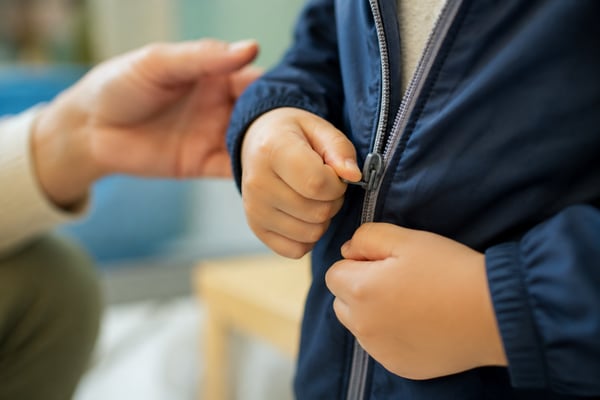
Personal hygiene and self-care tasks such as bathing, brushing teeth, washing hands, trimming nails, dressing, and toilet training can be particularly challenging for many autistic children. While these tasks may appear straightforward, they often involve multiple skills that require direct instruction, practice, and generalization.
From an ABA perspective, self-care challenges may result from a combination of skill deficits, limited motivation, sensory sensitivities, communication difficulties, or behaviors that have developed over time because the tasks are difficult or uncomfortable. For example, a child may refuse to brush their teeth not because they are being noncompliant, but because the sensation of the toothbrush is overwhelming, they do not fully understand the expectations, or they have learned that refusing allows them to avoid the task.
Many hygiene routines are also sensory-intensive. Bathrooms can be loud and echoing, water temperature and pressure may feel uncomfortable, certain soaps or shampoos may have strong smells, and toothbrushes or nail clippers can produce sensations that are unpleasant or even painful for some children. These factors can make everyday routines stressful and increase escape or avoidance behaviors.
ABA uses evidence-based strategies to teach these important life skills through a process called task analysis, which breaks complex routines into small, teachable steps. Rather than asking a child to "go get dressed," the task may be divided into manageable components such as:
- Put on underwear.
- Put on shirt.
- Pull up pants.
- Put on socks.
- Put on shoes.
Each step is taught systematically using individualized prompting, reinforcement, repetition, and gradual fading of support to increase independence. As the child masters each component, the steps are linked together until the entire routine can be completed independently.
Finally, some self-care challenges may require coordination with other professionals. Occupational therapists can address sensory processing and fine motor skills, speech-language pathologists may support communication needed during routines, and physicians can evaluate medical concerns that may interfere with participation. Combining ABA with interdisciplinary collaboration creates the best opportunity for children to develop safe, independent, and meaningful self-care skills that improve their overall quality of life.
How ABA Therapy Supports Daily Living Skills
Teaching daily living skills begins with understanding why a child is experiencing difficulty and evaluating whether the barrier is related to a skill deficit, motivation, communication challenges, sensory sensitivities, environmental factors, or other variables that may be affecting performance.
One of the primary teaching strategies used in ABA to teach daily living skills is task analysis, which involves breaking a complex skill into small, teachable steps. For example, rather than expecting a child to independently wash their hands, the BCBA may divide the routine into individual components such as turning on the water, wetting hands, applying soap, scrubbing, rinsing, drying hands, and turning off the faucet. Each step is systematically taught using evidence-based instructional procedures. Additionally, therapists use individualized prompting strategies including verbal, visual, gestural, modeling, or physical prompts to help the child successfully complete each step. As the child becomes more independent, prompts are gradually faded while reinforcement is provided to strengthen successful performance and increase long-term independence.
At AIA, we also emphasize Natural Environment Training (NET) because daily living skills are most meaningful when taught within the routines in which they naturally occur. Rather than teaching skills only in a structured therapy setting, children practice them during everyday activities such as washing hands before meals or cleaning up after play. Practicing skills within natural contexts increases motivation, improves generalization, and helps children apply newly learned skills across home, school, clinic, and community environments.
Parent involvement is another essential component of successful skill development. Families receive parent consultation and training to learn the same prompting, reinforcement, and teaching strategies used during therapy. This consistency across caregivers and environments helps children practice skills more frequently and promotes lasting independence.
Ultimately, the goal of ABA is not simply to teach isolated tasks but to build functional skills that allow children to participate more independently in everyday life. By combining individualized assessment, evidence-based teaching strategies, natural environment instruction, and active caregiver involvement, ABA helps children develop the confidence and abilities needed to become more independent across all areas of daily living.
Collaborating with Other Professionals
ABA provides an evidence-based framework for teaching the behavioral, communication, and adaptive skills needed for greater independence. However, effective treatment also requires recognizing when factors outside the scope of ABA may be influencing a child's learning and participation.
Behaviors that appear to be noncompliance, task refusal, or limited engagement may sometimes be related to underlying medical, sensory, or developmental concerns rather than a lack of skill or motivation. it is important to assess the function of behavior while also considering whether environmental or medical variables may be contributing to the child's presentation.
For example, a child experiencing gastrointestinal discomfort may have difficulty attending to instruction or participating in therapy. Similarly, severe food selectivity may warrant collaboration with a speech-language pathologist to assess oral-motor or swallowing concerns or with a gastroenterologist to evaluate underlying medical conditions. If sensory processing or fine motor challenges are affecting dressing, grooming, or other daily living skills, an occupational therapist may provide interventions that complement the behavioral strategies implemented through ABA. Sleep concerns, chronic pain, or other medical conditions should also be evaluated by the child's physician, as these factors can significantly impact learning, behavior, and treatment outcomes.
One of the responsibilities of a BCBA is to recognize when additional evaluations or coordination of care may benefit the child. Collaborating with physicians, speech-language pathologists, occupational therapists, educators, and caregivers allows the treatment team to develop a comprehensive understanding of the child's needs. This interdisciplinary approach ensures that barriers to learning are addressed from multiple perspectives while allowing ABA interventions to be implemented more effectively.
When all members of the care team work together, children are more likely to make meaningful progress toward communication, independence, self-care, social participation, and an improved quality of life.